Loading...
 GS1 Data Carriers for automatic identification and data capture (AIDC) are capable of holding varying amounts of data for different business processes and trading requirements.
The data encoded in GS1 Data Carriers not only uniquely identifies products at every level of packaging, it provides access to product information and visibility of product movement through the supply chain.
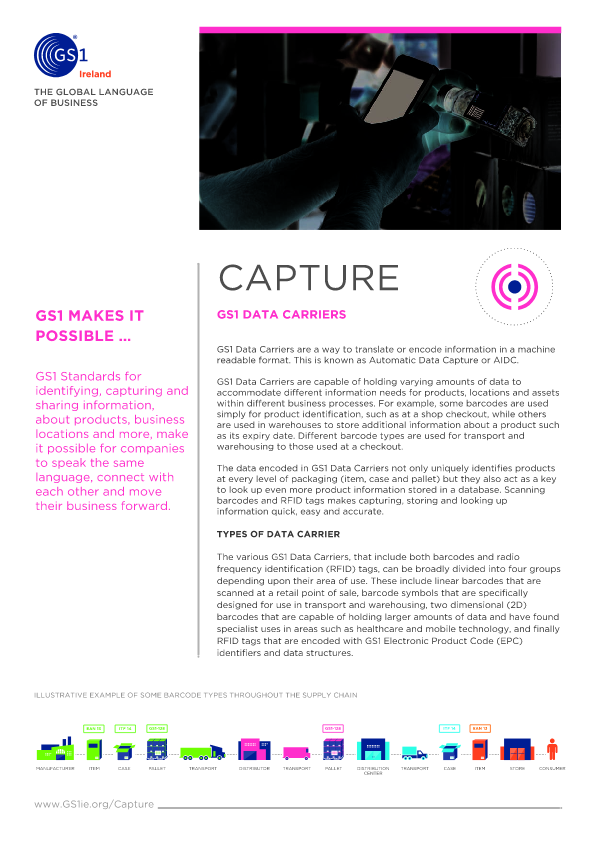
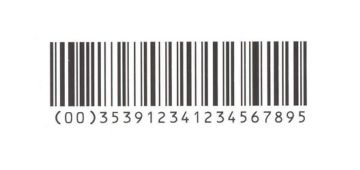
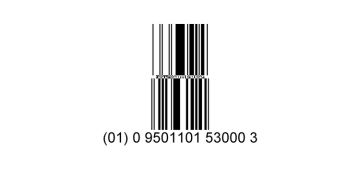
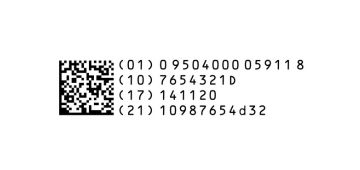
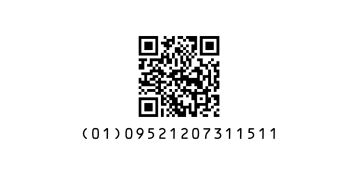
The 9 GS1 Data Carrier families include: EAN, UPC, ITF-14, GS1-128, GS1 Databar, GS1 QR Code and GS1 Data Matrix barcodes, as well as standards for EPC-enabled HF and UHF RFID tags.
GS1 barcode specifications
A barcode (the official term is GTIN or Global Trade Item Number) is a number represented in a machine readable form. Barcodes are generally represented in vertical lines of varying widths printed on labels to uniquely identify items. Labels are read with a scanner, which interprets the pattern or symbol into numbers and letters that are then passed onto a computer to retrieve original product data.
Why use Barcodes?
Barcodes enable the rapid and unambigous identification of products, assets, documents and people. Using a barcode can greatly reduce human error in data entry and processing, eliminate doubt caused by inconsistent approaches to product labelling and mistakes in reading handwriting.
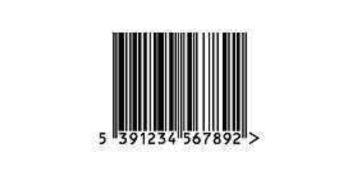
There are a number of different types of barcode symbols being used today; these include the most widely known basic, linear or 1D barcodes (EAN 13) and the smaller GS1 DataBar Symbols to the latest technology in 2D GS1 Data Matrix codes.
Barcode Symbol Types
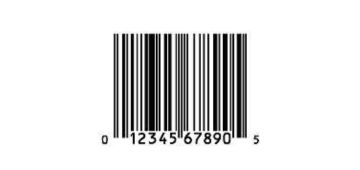
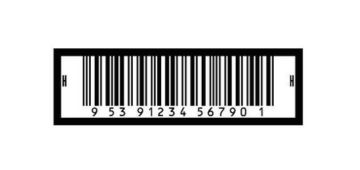
There are a number of symbologies among the GS1 family of barcodes or data carriers. These include:

Getting a Barcode
To get a barcode for your products or logistical units, you need to take out a license from your local GS1 organisation.